7 Essential Steps for Your Boat Cleaning Schedule
- Sep 10, 2025
- 10 min read
Boat maintenance does way more than keep your vessel looking sharp. Ignoring just one scheduled cleaning can lead to biofouling that spreads invasive marine pests and chews up your hull’s performance. What surprises a lot of owners is that regular cleaning routines can actually save thousands by preventing the small problems that lead to huge repair bills later on. Smart scheduling is not just about shine, it is your best line of defense for boat value and safety.
Table of Contents
Quick Summary
Takeaway | Explanation |
Establish a Regular Cleaning Schedule | A structured cleaning timeline helps prevent damage and maintains boat performance over time. |
Conduct a Thorough Weekly Inspection | Spending 1-2 hours weekly helps identify issues early and ensures comprehensive maintenance. |
Perform Monthly Deep Cleanings | Intensive monthly tasks prevent long-term damage and preserve the vessel’s functionality. |
Implement Seasonal Maintenance | Preparing for weather changes reduces risks and keeps your boat in top condition. |
Involve Your Crew in Maintenance | Engaging all crew members enhances responsibility and creates a culture of teamwork in upkeep. |
1: Understand the Importance of a Cleaning Schedule
Boat maintenance is more than just aesthetic upkeep. A comprehensive boat cleaning schedule protects your vessel’s performance, longevity, and value. Without regular cleaning, boats become vulnerable to various environmental challenges that can cause significant damage and costly repairs.
Marine environments are harsh ecosystems that continuously challenge boat surfaces. Saltwater, marine organisms, algae, and debris can quickly accumulate on hulls, decks, and internal systems. According to research from the Department of Primary Industries and Regions South Australia, biofouling can introduce marine pests and potentially damage your vessel’s critical components.
A strategic cleaning schedule helps boat owners prevent several potential problems:
Prevent marine organism buildup that can compromise hull integrity
Reduce fuel consumption by maintaining a clean hull surface
Extend vessel lifespan through consistent maintenance
Protect marine ecosystems by preventing invasive species spread
Regular cleaning isn’t just about appearance. It’s a critical preventative measure that saves money and maintains your boat’s performance. Saltwater and marine growth can rapidly degrade boat materials, causing corrosion, paint deterioration, and structural weakening. By implementing a structured cleaning routine, you protect your significant investment.
Boat owners should consider cleaning frequency based on usage, local marine conditions, and specific vessel characteristics. Read our guide on boat bottom cleaning tips for more detailed maintenance strategies that can help you develop an effective cleaning approach.
Remember that each cleaning session is an opportunity to inspect your boat thoroughly. During cleaning, you can identify potential issues like small cracks, loose fittings, or early signs of wear before they become major problems. Proactive maintenance is always more cost effective than reactive repairs.
2: Create a Weekly Maintenance Checklist
A structured weekly maintenance checklist transforms sporadic cleaning into a systematic approach that protects your boat’s performance and longevity. According to the Department of Transport Western Australia, implementing a consistent maintenance routine is crucial for preventing unexpected breakdowns and ensuring vessel safety.
Your weekly boat maintenance checklist should be comprehensive yet manageable. Divide your checklist into specific categories to ensure no critical areas are overlooked:
Exterior Inspection: Check hull for damage, clean surfaces, inspect paint and gel coat
Mechanical Systems: Review engine, electrical connections, and fluid levels
Safety Equipment: Verify life jackets, fire extinguishers, and emergency communication devices
Interior Cleaning: Sanitize cabin areas, check for moisture or mold
Prioritize thoroughness and regularity. Time invested in weekly maintenance prevents costly repairs and unexpected complications during your boating adventures. Allocate approximately 1-2 hours each week for a comprehensive boat inspection and cleaning.
Boat owners should customize their checklist based on vessel type, usage frequency, and local marine conditions. Explore our DIY mobile boat maintenance guide for additional insights into creating a personalized maintenance strategy.
Technology can simplify maintenance tracking. Consider using digital maintenance log apps or creating a physical checklist that you can systematically work through. Documenting each maintenance session helps track your boat’s condition over time and provides valuable records for future reference or potential resale.
Remember that consistency is key. A well-maintained boat not only looks better but performs more reliably, ensuring safer and more enjoyable maritime experiences.
3: Monthly Deep Cleaning Tasks for Your Boat
Monthly deep cleaning goes beyond routine surface maintenance and addresses critical aspects of boat preservation. Comprehensive monthly cleaning protects your vessel from long-term damage and ensures optimal performance in challenging marine environments.
According to the Department of Transport Western Australia, periodic thorough maintenance is crucial for vessel longevity and safety. A systematic monthly approach allows boat owners to conduct more intensive cleaning and inspection tasks that weekly routines cannot address.
Key monthly deep cleaning tasks include:
Hull Inspection: Thoroughly examine underwater surfaces for damage or marine growth
Engine Compartment Cleaning: Deep clean and inspect mechanical systems
Electrical System Check: Test connections, clean terminals, and verify circuit integrity
Interior Detailing: Comprehensive cleaning of cabin spaces, upholstery, and storage areas
Protective treatments are essential during monthly maintenance. This includes applying specialized marine cleaning products, checking and reapplying protective coatings, and addressing any signs of wear or potential corrosion. Learn more about antifouling lifecycle protection to understand how these treatments extend your boat’s lifespan.
Pay special attention to often-overlooked areas such as bilge spaces, deck hardware, and ventilation systems. These locations can accumulate moisture, salt residue, and potential contaminants that compromise your boat’s structural integrity if left unchecked.
Consider creating a detailed photographic record during monthly maintenance. Documentation helps track changes in your boat’s condition, provides a reference for future maintenance, and can be valuable for insurance or resale purposes. By investing time in monthly deep cleaning, you protect your vessel and ensure it remains in top condition for years of maritime adventures.
4: Seasonal Cleaning: Preparing for Harsh Weather
Seasonal cleaning represents a critical phase in boat maintenance, particularly when preparing for harsh weather conditions. Proactive preparation can significantly reduce potential damage and ensure your vessel remains in optimal condition throughout challenging environmental shifts.
According to Maritime Safety Queensland, boat owners must develop a comprehensive strategy for seasonal maintenance that addresses potential weather-related risks. Extreme temperatures, humidity, and severe storms can dramatically impact boat surfaces and mechanical systems.
Key seasonal cleaning and preparation tasks include:
Comprehensive Hull Protection: Apply protective coatings and inspect for potential damage
Electrical System Weatherproofing: Check connections and seal vulnerable components
Storage Preparation: Clean and prepare secure storage locations for extended periods
Moisture Control: Implement strategies to prevent mold and corrosion during inactive periods
Systematic documentation is crucial during seasonal transitions. Photograph and record the condition of your boat before and after maintenance, creating a detailed historical record that can help track potential developing issues.
Pay special attention to areas most vulnerable to weather-related deterioration. Metal components, electrical systems, and exterior surfaces require meticulous inspection and protective treatment. Specialized marine-grade protective products can provide an additional layer of defense against environmental challenges.
Consider the specific weather patterns of your local marine environment. Boats in saltwater regions face different challenges compared to those in freshwater or areas with extreme temperature variations. Tailoring your seasonal maintenance approach to your specific location maximizes protection and extends your vessel’s lifespan.
By investing time in thorough seasonal cleaning and preparation, you transform potential weather-related risks into manageable maintenance tasks. A well-prepared boat not only looks better but performs more reliably across changing environmental conditions.
5: Best Products for Effective Boat Cleaning
Selecting the right cleaning products is crucial for maintaining your boat’s appearance and structural integrity. Not all marine cleaning solutions are created equal, and choosing environmentally responsible options can protect both your vessel and the surrounding marine ecosystem.
According to the Western Australia Department of Transport, boat owners should prioritize phosphate-free and biodegradable cleaning products that minimize environmental impact. Marine-specific cleaning solutions offer targeted protection for different boat surfaces and materials.
Essential boat cleaning product categories include:
Hull Cleaners: Specialized solutions for removing marine growth and oxidation
Deck Cleaning Agents: pH-neutral products safe for marine surfaces
Metal Polish: Corrosion-resistant treatments for marine hardware
Protective Sealants: UV-resistant coatings that repel water and prevent staining
Eco-friendly alternatives can be remarkably effective. Natural cleaning agents like white vinegar, baking soda, and citrus-based solutions provide powerful cleaning without harsh chemical residues. These options are particularly valuable for boats frequently used in sensitive marine environments.
Explore our guide on choosing the right antifoul to understand how specialized marine products can provide comprehensive protection beyond basic cleaning.
When selecting cleaning products, consider your boat’s specific materials. Fiberglass, aluminum, wood, and composite surfaces each require unique care approaches. Invest in marine-grade microfiber cloths and specialized brushes to complement your cleaning solutions and prevent potential surface scratching.
Remember that cheaper is not always better. High-quality marine cleaning products may cost more initially but provide superior protection, potentially saving significant money on long-term maintenance and repair expenses.
6: Tips for Storing Your Cleaning Supplies
Proper storage of marine cleaning supplies is critical for maintaining their effectiveness and ensuring safety on your boat. Inappropriate storage can lead to product degradation, potential chemical interactions, and unnecessary environmental risks.
According to Australian maritime storage guidelines, cleaning products require careful management to prevent contamination and maintain their integrity.
Key considerations for cleaning supply storage include:
Temperature Control: Store products in cool, dry locations away from direct sunlight
Sealed Containers: Keep original packaging intact and securely closed
Separate Storage: Isolate cleaning chemicals from food, drinking water, and personal items
Vertical Organization: Store heavier containers at lower levels to prevent accidental spills
Dedicated storage solutions are essential for boat cleaning supplies. Consider investing in a waterproof, lockable storage container specifically designed for marine environments. These containers protect your supplies from moisture, temperature fluctuations, and potential damage during marine travels.
Implement a systematic organization approach. Group similar products together and use clear labeling to quickly identify contents. Regularly inspect your supplies for signs of leakage, container damage, or chemical separation.
Pay special attention to potentially reactive cleaning products. Some marine cleaning chemicals can become unstable or lose effectiveness if not stored correctly. Avoid storing products near electrical equipment, fuel systems, or areas with high humidity.
Maintain an inventory list of your cleaning supplies, including purchase dates and expiration information. This practice helps you track product availability, replace aging supplies, and ensure you always have the right cleaning tools for your boat maintenance routine.
7: Involve Your Crew: Making Cleaning a Team Effort
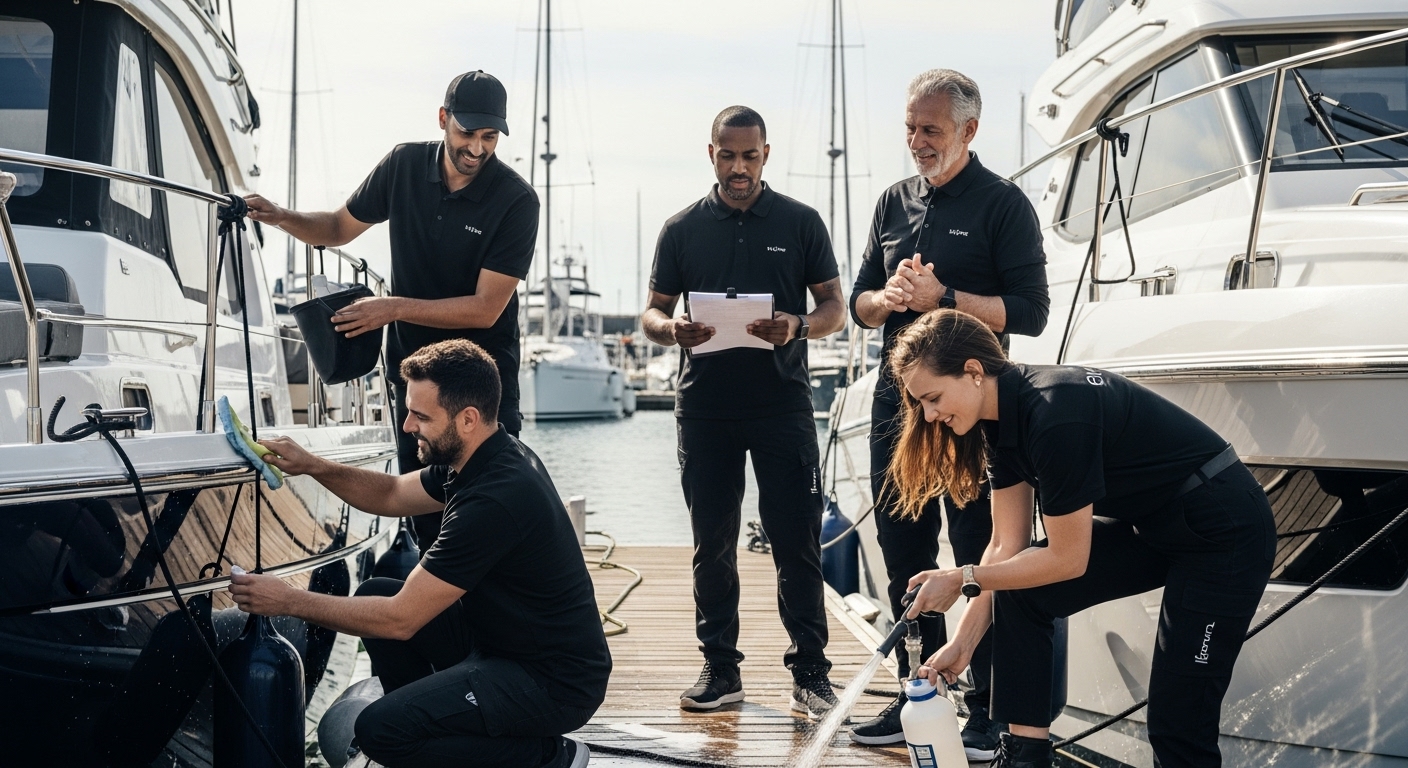
Transforming boat cleaning from a solitary task into a collaborative effort can dramatically improve maintenance outcomes and team morale. When every crew member understands their role in vessel preservation, the entire maintenance process becomes more efficient and engaging.
According to the Australian Maritime Safety Authority, involving crew members in maintenance planning creates a more responsible and safety-conscious environment. Shared responsibility builds a sense of ownership and pride in vessel upkeep.
Strategies for effective crew involvement include:
Clear Role Assignment: Define specific cleaning responsibilities for each crew member
Training Sessions: Conduct regular workshops on proper cleaning techniques
Performance Recognition: Acknowledge and reward thorough cleaning efforts
Collaborative Planning: Develop cleaning schedules as a team
Establish a systematic approach to crew engagement. Create a rotating cleaning roster that ensures fair distribution of tasks and prevents burnout. Visual tracking boards or digital management tools can help maintain transparency and motivation.
Team cleaning sessions offer more than just practical maintenance. They provide opportunities for skill development, team bonding, and shared learning. Experienced crew members can mentor newer team members, transferring critical maintenance knowledge.
Encourage open communication about cleaning processes. Regularly solicit feedback from crew members about cleaning challenges, product effectiveness, and potential improvements. This collaborative approach transforms boat cleaning from a mundane chore into a collective responsibility.
Remember that effective team cleaning requires more than just assigning tasks. It demands clear communication, proper training, and a shared understanding of the vessel’s maintenance needs. By cultivating a culture of collective care, you create a more resilient, efficient, and harmonious maritime environment.
The table below provides a comprehensive summary of the essential steps, key considerations, and benefits highlighted throughout the article for implementing an effective boat cleaning schedule.
Step / Topic | Key Actions & Recommendations | Main Benefits / Outcomes |
Understand Importance of Scheduling | Implement routine cleaning based on usage and local conditions; use cleaning as inspection opportunity | Prevents biofouling, extends lifespan, reduces costly repairs |
Weekly Maintenance Checklist | Inspect hull, mechanical systems, safety equipment, and cabins; document and track maintenance | Early issue detection, safer operation, more consistent upkeep |
Monthly Deep Cleaning Tasks | Conduct hull inspection, engine compartment cleaning, detailed system checks, and apply protective treatments; document with photos | Preserves performance, prevents long-term damage, valuable for insurance/resale |
Seasonal Cleaning & Preparation | Apply hull coatings, weatherproof systems, prepare boat for storage, address moisture and corrosion risks | Minimizes weather damage, tailors care to location, enhances vessel resilience |
Best Cleaning Products | Use marine-grade, phosphate-free, biodegradable products; select cleaners for hull, decks, metals, and use microfiber tools | Maintains materials, reduces environmental impact, helps prevent surface wear |
Storing Cleaning Supplies | Store securely in cool, dry place; keep containers sealed and organized; inventory and avoid unsafe proximity to food/electrical/fuel | Maintains product effectiveness, ensures safety, prevents chemical hazards |
Involve Crew in Cleaning | Assign clear roles, train regularly, rotate tasks, and encourage team feedback | Cultivates teamwork, better maintenance, shared ownership and knowledge |
Keep Your Boat Pristine and Protected with Professional Help
You have worked hard to build a consistent boat cleaning schedule. Yet saltwater corrosion, biofouling buildup and unpredictable weather still threaten to undo your efforts. It can feel overwhelming to keep up with regular maintenance, not to mention the deep cleaning and protective coatings your boat demands each season. Even with the best checklist, expert techniques and reliable cleaning products, some jobs are best left to seasoned professionals. That is where Lightning Boat Builders steps in.

Let our mobile marine specialists take the burden off your shoulders. We offer custom antifoul application, expert marine detailing and tailored fiberglass repairs that match exactly what your vessel needs. Do not wait for saltwater or marine growth to do lasting damage. Give your boat the exceptional care it deserves. See how we can make your maintenance routine simple and effective—visit our mobile marine services now for a free consultation and keep your boat at its best all year long.
Frequently Asked Questions
What is the importance of a boat cleaning schedule?
A boat cleaning schedule is essential for maintaining your vessel’s performance, longevity, and value. Regular cleaning protects against marine growth, corrosion, and other damage, which can lead to costly repairs.
How often should I perform deep cleaning tasks on my boat?
Deep cleaning tasks should be performed on a monthly basis, allowing for thorough inspection and cleaning beyond routine maintenance. This helps address potential long-term damage and ensures optimal performance.
What type of cleaning products are safe for my boat?
Opt for phosphate-free and biodegradable cleaning products. Marine-specific solutions designed for different surfaces, such as hull cleaners and deck agents, provide the best care while minimizing environmental impact.
How can I involve my crew in the boat cleaning process?
Involve your crew by assigning specific cleaning roles, conducting training sessions on cleaning techniques, and collaboratively developing cleaning schedules. This builds responsibility and ownership in maintaining the vessel.
Recommended
Comments